Semester Projects
Build something meaningful with a small team and finish with work you can proudly demonstrate
The Center of the MTS Experience
Every member joins a team of roughly three to five people for one semester-long project. Project work provides consistent time to collaborate, meet other builders, get feedback, and make progress without turning meetings into lectures.
Projects in action
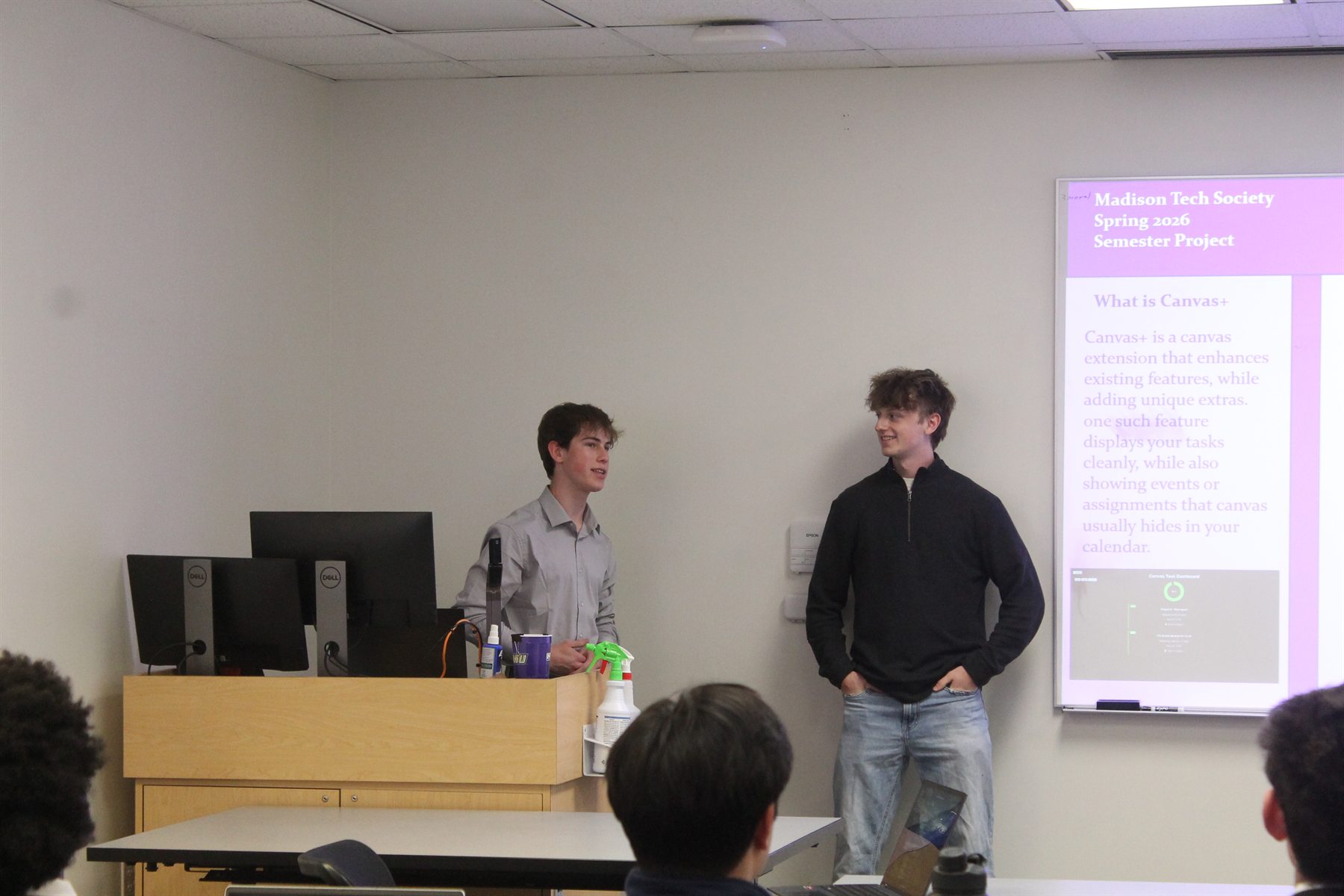
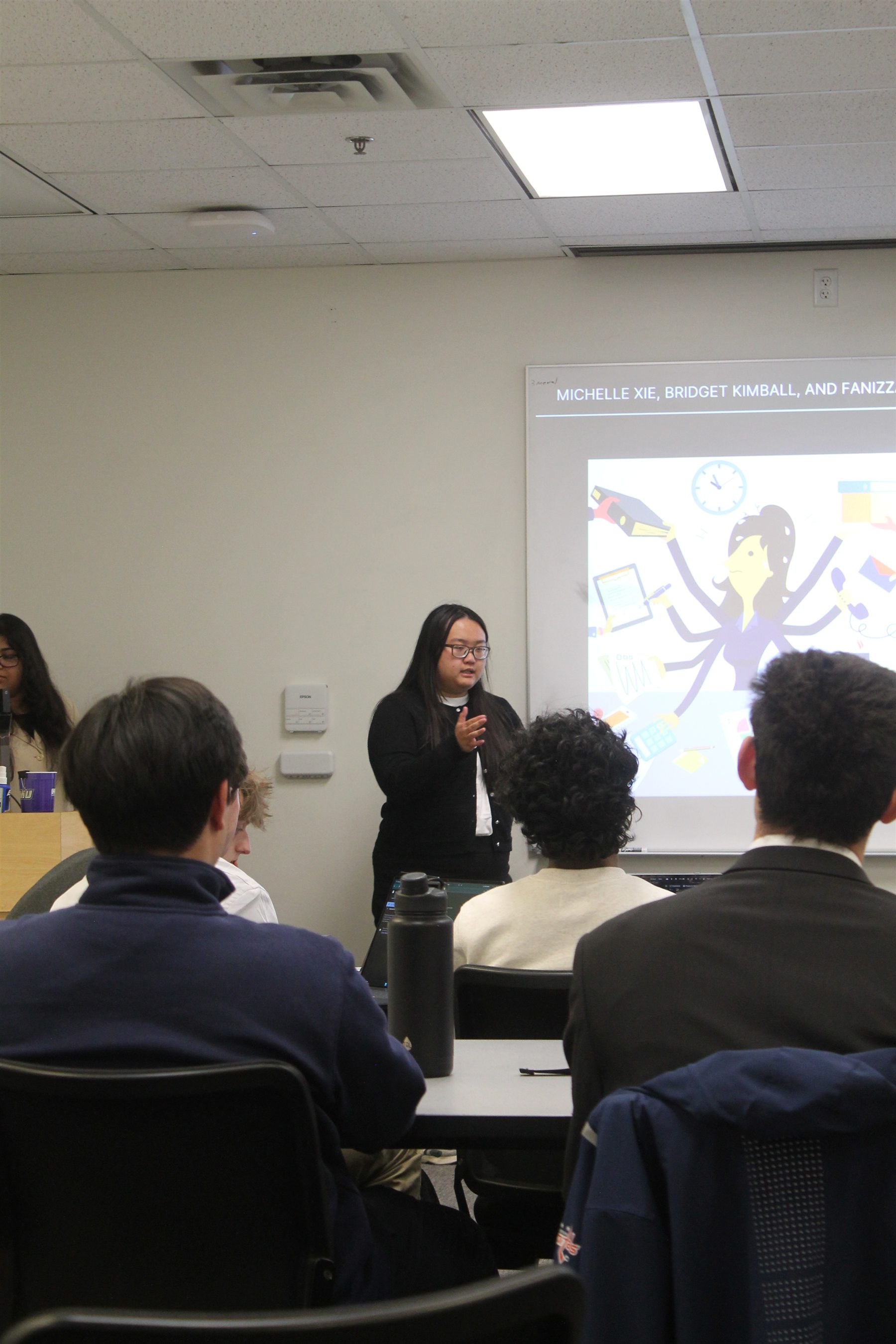
Build it. Explain it. Share it.
A project does not stop at the code. Teams practice explaining the problem, showing what they made, and answering questions together.

How the Semester Works
1. Pitch
Members bring problems, interests, or early ideas. You do not need a complete idea—or a team—to participate.
2. Form a Team
Groups form around shared interests and complementary strengths, including development, design, research, planning, and communication.
3. Build Together
Teams use project work time for focused building, leadership support, informal feedback, and short progress check-ins.
4. Share the Work
After a midpoint demo, teams polish a working result and present it at the end-of-semester showcase.
Project Expectations
Small, Collaborative Teams
Most teams should include three to five members with clear, meaningful responsibilities.
Realistic Scope
Choose one clear problem and a minimum viable result that can be completed during the semester.
Visible Progress
Maintain a shared repository or workspace and give a brief update during each project work session.
Portfolio-Ready Finish
Complete a working deliverable, clear documentation, and a short demonstration that every teammate can discuss.
Projects Can Take Many Forms
Web or mobile products, AI and data experiments, cybersecurity tools, automations, hardware, robotics, research, campus technology concepts, and other useful prototypes are all welcome. Members can contribute through engineering, product thinking, design, research, documentation, marketing, or presenting.